
 By
By
LEVELS OF DISTINCTION · SEGARRA IP · OWN WHAT DEFINES YOU
The Block That Built an Empire — and the Trademark Dispute That Almost Took It Away
Pablo Segarra, Esq. · April 2026 · Segarra IP
———
There is a specific kind of Saturday morning that only exists in memory. You are maybe eight years old. The apartment smells like coffee and something frying. A television is on in another room and the sound of it — a crowd roaring, a bell ringing, a voice pitched at the exact frequency of spectacle — pulls you toward it like gravity. You round the corner, and there it is: two gold-bordered W’s stacked on top of each other, chrome-faced and chrome-lit, gleaming against whatever arena backdrop they had set up that week.
You didn’t read it. You felt it.
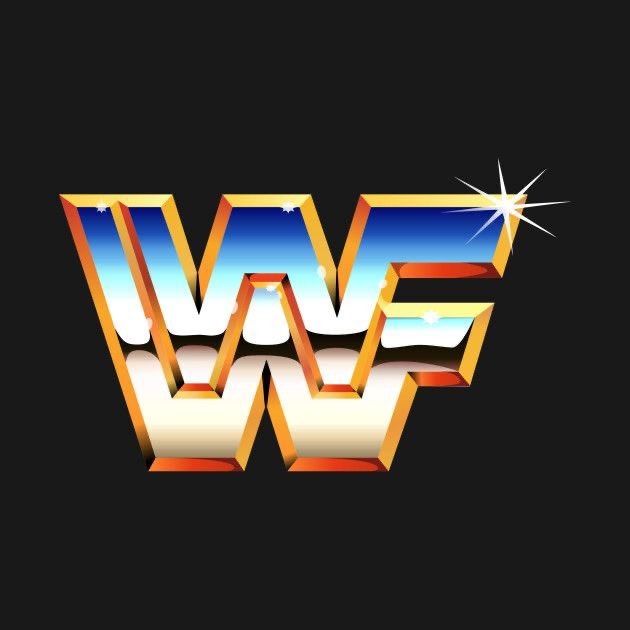
That block logo was not a trademark in the functional sense — not in the way a lawyer would describe one, as a mark designed to identify the origin of goods or services. It was a gate. You saw it and you knew what side of it you were standing on. You were either in, or you were the kind of person who changed the channel.
And, nobody changed the channel.
I want to rate this mark the way I rate every brand that comes across my desk — through the USPTO’s five-level spectrum of trademark distinctiveness, the framework that determines whether a name or a design can actually be protected, or whether you’ve been building on land you don’t own. But I want to do it right, which means telling you the full story first. Because the WWF trademark dispute is not just a case study in strong visual identity. It is a case study in what happens when the thing you built outgrows the protection you have on it — and you don’t realize it until it’s too late.
———
PART ONE
The USPTO’s 5 Levels of Trademark Distinctiveness
The USPTO measures trademark distinctiveness on a spectrum of five levels. At one end, Generic — the actual name of the product, which can never be owned by anyone and never should be. A company that sells ice and calls itself “Ice” doesn’t own anything. Below that, Descriptive — marks that tell you directly what something is or does. “Cold and Fast Delivery” describes the service. It cannot be trademarked without years of evidence that the public has come to associate it specifically with you.
Then Suggestive, which requires a mental leap — the name hints without stating, implies without defining. Netflix suggests a network of film but doesn’t announce it. That gap between the word and its meaning is where trademark protection begins to carry real weight.
Above that, Arbitrary — a real word placed in a context that has nothing to do with its original meaning. Apple for computers. Amazon for e-commerce. Words that belonged to the world before they belonged to a brand, repurposed so completely that the original meaning has receded. Strong protection, because the connection between the word and the product is genuinely yours.
And at the top, Fanciful — invented marks. Words and designs that did not exist until someone made them. Kodak. Häagen-Dazs. Xerox. The mark and the brand are inseparable because the mark never meant anything else. There is only one direction you can approach fanciful from. That is why it is the strongest trademark protection the law offers.
Now apply the scale to what you are looking at.
———
PART TWO
Rating the WWF Logo: Fanciful Design, Contested Initials
The WWF block logo operates on two levels of the distinctiveness spectrum simultaneously, and understanding that split is the entire lesson.
The letters themselves — W, W, F — register as an arbitrary trademark. They don’t describe wrestling. They don’t suggest it. Three consonants with no inherent connection to sports entertainment, which is exactly what makes an arbitrary mark strong in theory. Someone decided those initials would mean something, then spent twenty years making the world agree.
Except the World Wildlife Fund had been using those same three letters since 1961. The wrestling promotion started using them in 1979. Two organizations, the same initialism, and eventually — as the wrestling brand became a global phenomenon — the same global audience encountering both. Trademark priority is not a measure of fame. It is not settled by television ratings or merchandise revenue or the size of the arenas. Priority is about registration date and documented use. The Wildlife Fund had the earlier record. That record was always there, waiting.
The part of the logo that looked the most like letters was legally safer than the letters themselves.
The stylized block design, however, is a fanciful trademark in every sense of the word. Those letterforms — constructed, not typed, weighted and proportioned and rendered with a chrome interior and a gold architectural border that reads less like type and more like something built to outlast the people who commissioned it — did not exist before someone made them. The geometric interlocking of the W’s, the way the whole form sits like a monument rather than a word, the specific visual grammar of those angles: no one had assembled it before. You couldn’t pull it from a font menu. It was invented from nothing. And everything invented from nothing is ownable.
———
PART THREE
The WWF Trademark Dispute: A Legal History
In 1994, operating under the entity name Titan Sports, the wrestling organization signed an agreement with the World Wide Fund for Nature to resolve a conflict that had been building for years. The terms were deliberate. The wrestling promotion could continue using the full name “World Wrestling Federation.” It could use its stylized visual marks. What it surrendered was the plain-text use of “WWF” in standard typeface — no clean fonts, no unadorned lettering, no web domains with the initials standing alone without the design protection around them.
This was not a loss under the circumstances. The restriction was narrow and the agreement gave them room to operate. It held. For a few years.
Then came 1997. At the Survivor Series that November, the WWF introduced a new logo. The scratch logo — raw, angular, built out of tension rather than architecture — was one of the more honest pieces of corporate design of the late nineties. It looked like what the product had become. It looked like a company that had stopped apologizing.
But it still carried those three letters. And the company, now running hot through the most commercially successful period in its history, began using “WWF” in ways the 1994 agreement specifically prohibited. Broadcast graphics. Web infrastructure. The WWF.com domain. The letters in plain view, stripped of the design protection that was supposed to be the boundary line.
In August 2001, the UK High Court ruled against them. Both the scratch logo and the WWF.com domain had violated the agreement. The Court of Appeal upheld the ruling in February 2002. On May 6th of that year, the wrestling organization announced its rebrand. World Wrestling Entertainment. WWE.
Their campaign for the transition: Get the F Out.
One of the finest pieces of brand-under-pressure communication in recent memory. They turned a legal defeat into a dare. They didn’t absorb the loss quietly — they repurposed it as attitude. Which was, if you were paying attention, exactly what they’d been selling for five years.
But the rebrand didn’t end the exposure. The injunctions that followed required WWE to mute “WWF” in archived footage, to blur the logos in old pay-per-view broadcasts, to scrub interactive titles and DVD releases. For nearly a decade, a generation of wrestling history existed in a legally edited form — silenced, pixelated, absent where it had once been loudest.
That is what it looks like when the scope of your trademark registration doesn’t match the reality of how your brand lives in the world.
Last October — October 1, 2025 — World Wrestling Entertainment filed a new trademark application with the USPTO for the classic block logo. Not the name. Not the letters in any form. The design. The fanciful, built-from-nothing visual mark that had been theirs all along.
They were formalizing what they’d actually owned the whole time.
———
PART FOUR
What Scaling Founders Can Learn from This
I work with scaling founders — business owners who are already generating revenue, already have a team, already have a brand people recognize. And almost none of them have a trademark situation that matches the actual scope of what they’ve built.
Not because they were careless. Because they were building. When you are building something real, trademark registration feels like paperwork, and paperwork feels like the thing you do after the work is done. The problem is that by the time you think the work is done, the exposure has already accumulated. Your brand is already living in the world in ways your protection doesn’t cover.
The WWF had a stylized mark and a signed agreement. They outgrew both without adjusting either. By the time the court weighed in, the question was not what they had built. The question was what they had documented, what they had registered, and where the line was drawn in the agreement they signed in 1994. On all three counts, the answer went against them.
Here is the question your brand needs to answer. Not whether you’ve built something real — you have.
The question is whether what you’ve built and what you legally own are the same thing.
If someone challenged your right to your brand name tomorrow — not copied it, not imitated it, but challenged your documented right to it — what exactly would you be able to point to? Is it the word? The design? The combination? Does the registration cover the categories where your brand actually operates, or only the categories where it operated when you first filed?
You don’t need to be the World Wrestling Federation for this to be your problem. You just need to have built something worth protecting.
———
FINAL RATING
WWF Block Design — FANCIFUL
Architecturally original. Built from nothing. The strongest level of trademark protection — and the asset that survived everything.
The Letters “WWF” Alone — ARBITRARY — but not exclusively theirs
Three letters and forty years of fame are not the same thing as a trademark you fully own.
Own the design. Own the mark. Know the difference between what you’ve built and what you’ve protected. Because fame and trademark registration are not the same thing, and the gap between them is where the loss lives.
———
— Pablo Segarra, Esq.
Segarra IP · Own What Defines You · SegarraIP.com
FREQUENTLY ASKED QUESTIONS
Add these as FAQ schema in your CMS to capture Google’s “People Also Ask” featured snippets.
What made the WWF block logo a fanciful trademark?
A fanciful trademark is a visual mark or word that was invented from scratch — it had no prior meaning before the brand created it. The WWF block logo qualifies because the specific geometric letterforms, the architectural interlocking of the W’s, the chrome interior and gold border were all purpose-built. No one had assembled that particular visual before. That’s what makes it fanciful rather than simply stylized — and fanciful is the highest level of trademark protection the USPTO recognizes.
What is the difference between a fanciful and an arbitrary trademark?
A fanciful trademark is a mark that was invented — it didn’t exist before the brand created it (Kodak, Xerox, Rolex). An arbitrary trademark is a real, existing word used in a context unrelated to its original meaning (Apple for computers, Amazon for e-commerce). Both are strong marks and both are registrable, but fanciful marks receive the broadest protection because there’s no pre-existing meaning to compete with.
Why did WWF change its name to WWE?
The World Wrestling Federation changed its name to World Wrestling Entertainment in May 2002 following a trademark dispute with the World Wide Fund for Nature, which had been using the “WWF” initials since 1961 — earlier than the wrestling organization. A UK High Court ruling in 2001 found that the wrestling promotion had violated a 1994 agreement governing their shared use of the initials. Rather than continue the legal fight, they rebranded with the campaign line: “Get the F Out.”
Does forming an LLC protect your brand name?
No. An LLC protects your business structure, not your brand identity. Two different businesses can legally have the same LLC name in the same state. The only legal mechanism that gives you exclusive rights to your brand name — and the right to tell someone else to stop using it — is a federally registered trademark. This is one of the most common and costly misunderstandings among scaling founders.
———